

Engineered Systems for Wall Reinforcement
A basement wall does not need to collapse before it deserves attention. A horizontal crack, inward bow, or wall that feels slightly out of line can signal pressure that is already changing the structure. Engineered systems for wall reinforcement give qualifying homeowners a practical way to stabilize that movement before a manageable repair becomes a major foundation project.
For many homes in the Marysville area, the right repair is not excavation, steel posts, or intrusive wall anchors. Carbon fiber reinforcement can provide serious structural support from inside the basement, often with far less disruption to the property. The key is making sure the wall is a good candidate and installing a system designed for the conditions present.
What Makes Wall Reinforcement an Engineered System?
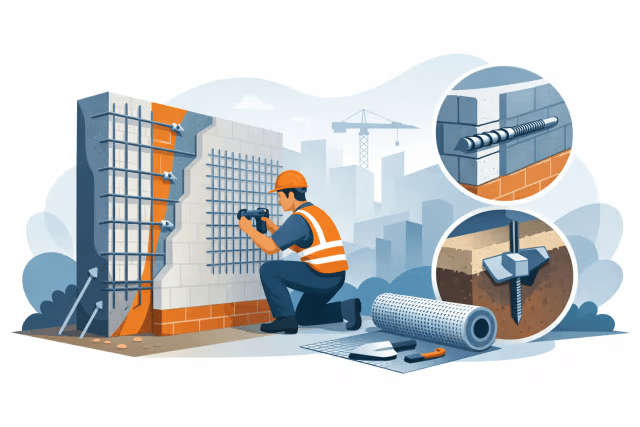
A real wall reinforcement system is more than a strip of material applied over a crack. It is a planned structural repair that accounts for the wall material, the direction and degree of movement, soil pressure outside the foundation, and the load path that transfers force through the wall.
Carbon fiber is exceptionally strong in tension. When properly bonded to a prepared foundation wall and anchored at the top and bottom, a carbon fiber strap helps resist further inward movement. The wall is not simply covered up. It is reinforced to limit continued deflection under lateral pressure.
The installation process matters as much as the material. Proper surface preparation, structural-grade epoxy, correct strap placement, and secure anchoring all affect performance. That is why a homeowner should be cautious about cosmetic crack fillers or generic repairs that do not address why the wall moved in the first place.
An engineered approach also starts with an honest evaluation. Some walls can be stabilized efficiently with carbon fiber. Others may require additional drainage work, wall anchors, steel reinforcement, partial rebuilding, or a different structural solution. The best answer depends on the condition of the home, not on a one-size-fits-all sales pitch.
When Engineered Systems for Wall Reinforcement Make Sense
Carbon fiber wall reinforcement is often a strong fit for poured concrete or concrete block basement walls showing early to moderate inward movement. Homeowners commonly notice the problem after a heavy rain, during a basement renovation, or while preparing to sell their home.
Warning signs worth taking seriously include:
- Horizontal cracks running across a basement wall
- Vertical cracks that widen or leak during wet weather
- A wall that bows, leans, or pushes inward
- Crumbling block joints or stair-step cracks in masonry walls
- Water intrusion near cracks or along the floor-wall joint
A horizontal crack is especially important because it often indicates pressure from saturated soil outside the foundation. In Ohio, freeze-thaw cycles, clay-heavy soil, poor grading, and gutter discharge can all increase that pressure. Waterlogged soil becomes heavier and pushes harder against basement walls. Over time, that pressure can turn a minor crack into visible movement.
Reinforcement works best when it is installed before severe displacement occurs. Carbon fiber can stop a qualifying wall from moving farther inward, but it does not always return a significantly bowed wall to its original position. Homeowners deserve that distinction upfront. Stabilization protects the structure and helps prevent escalation, while straightening a wall may require a different approach.
Why Carbon Fiber Is Different From Traditional Repairs
Traditional foundation repair methods have their place. Exterior excavation may be necessary when there is extensive drainage failure, major wall deterioration, or damage that must be addressed from outside. Steel beams can be useful in certain situations, and wall anchors may be appropriate when exterior access and soil conditions allow for them.
But those repairs can involve landscaping disruption, excavation equipment, longer project timelines, and more visible changes to the finished basement. They can also cost more because of the labor and restoration involved.
Carbon fiber offers a lower-profile alternative for walls that qualify. The straps are installed on the interior face of the basement wall and lie relatively flat once complete. This matters to homeowners who want to preserve usable basement space or plan to finish the area later. Unlike bulky steel supports, carbon fiber does not create a large obstruction along the wall.
The value is not just appearance. A non-invasive installation can reduce disruption to driveways, landscaping, decks, and neighboring structures. For a homeowner already worried about foundation damage, a clean and efficient repair process can remove a great deal of unnecessary stress.
The Inspection Should Lead the Recommendation
No one should recommend a structural repair based only on a photo of a crack. A proper inspection considers the entire basement, including crack patterns, wall deflection, signs of moisture, exterior drainage conditions, and any evidence that movement is active.
The goal is to identify the source of the force, not merely the visible symptom. If downspouts release water beside the home or the grade directs runoff toward the foundation, those conditions need attention alongside the structural repair. Reinforcing a wall without controlling excess water can leave the home vulnerable to future moisture problems, even if the wall itself has been stabilized.
During an inspection, ask clear questions. Is the wall moving now? Is reinforcement intended to stop further movement or straighten the wall? Does the repair include a transferable lifetime warranty? What site conditions need to be corrected to protect the result? Straight answers help you compare options on more than price alone.
At Carbon Fiber Installation LLC, the focus is on recommending carbon fiber where it delivers the right structural outcome, not forcing every basement into the same repair category. That specialty approach helps homeowners make a confident decision without paying for a more invasive method when it is not needed.
What a Professional Carbon Fiber Installation Looks Like
A well-executed installation begins with preparation. The wall surface must be cleaned and prepared so the epoxy can form a dependable bond. Cracks may be evaluated and repaired as part of the broader stabilization plan, but the carbon fiber straps are placed according to the wall's specific movement pattern and reinforcement needs.
Each strap is bonded vertically to create a strong connection from the top of the wall to its base. Anchoring details are critical because the system must transfer the lateral load effectively. Once installed, the reinforcement is discreet, durable, and designed to remain part of the home's structural protection for the long term.
Most qualifying installations are completed from inside the basement. That means homeowners can avoid the upheaval that often comes with digging around the exterior foundation. There may still be some dust, access requirements, or preparation around finished walls, but the process is generally far less disruptive than full excavation.
A professional should also explain what the repair can and cannot do. Carbon fiber is not a cure for every foundation issue. It does not replace rebuilding a wall that has failed extensively, and it does not eliminate the need to address severe drainage problems. What it can do is provide proven resistance against further inward wall movement when the foundation is an appropriate candidate.
Protecting Safety, Value, and Peace of Mind
Foundation concerns are personal because they affect the place where your family lives and where much of your financial value is held. Ignoring wall movement can lead to wider cracks, water entry, loss of usable basement space, and difficult conversations during a future home sale.
Addressing the issue early gives you more options. It can allow for a less invasive repair, help protect your home's marketability, and document that the problem was professionally stabilized. A lifetime transferable warranty adds another layer of confidence because it stays meaningful if ownership changes.
Do not wait for a crack to become a crisis. If you see bowing, horizontal cracking, or signs that a basement wall is shifting, arrange a professional evaluation while the wall may still qualify for a clean, lasting reinforcement solution. The right repair begins with a clear diagnosis and ends with a home that feels secure again.
When to Call the Experts at Carbon Fiber Installation, LLC
Don’t wait for problems to worsen. Schedule a free basement wall inspection if you notice:
- New or widening cracks
- Bowing or leaning walls
- Water stains, efflorescence, or musty odors
- Sticking doors/windows or upper-level cracks
We serve the greater Columbus, Ohio area with 24/7 emergency service and a 100% satisfaction guarantee.
Protect Your Home Today
Your foundation supports everything you’ve built. Investing in professional carbon fiber reinforcement from Carbon Fiber Install, LLC is one of the smartest decisions you can make for long-term structural integrity, safety, and peace of mind. It’s a modern, proven solution that stops damage in its tracks while preserving your home’s usability and resale value.
Ready to take action? Contact us today for a free quote or inspection.
- Phone: (740) 436-9316
- Email: info@carbonfiberinstall.com
- Mailing Address: 322 W. 5th Street PMB 110, Marysville, Ohio 43040
Visit www.carbonfiberinstall.com to learn more about our services, view project inspiration, or request service. Don’t let small cracks become big headaches—secure your home’s future with Carbon Fiber Installation, LLC.