

Do Wall Cracks Need Repair? Know the Warning Signs
A thin crack above a doorway may be nothing more than normal settling. A horizontal crack running across a basement wall is a different conversation entirely. So, do wall cracks need repair? Sometimes they do, and waiting to find out can turn an early warning sign into a more expensive structural problem.
The key is not whether a crack exists. Nearly every home develops some cracks over time. What matters is the crack’s location, direction, width, pattern, and whether the wall is moving. Homeowners in the Columbus area should pay especially close attention to basement wall cracks, where outside soil pressure, water, and freeze-thaw cycles can put significant force on foundation walls.
Do Wall Cracks Need Repair? Start With the Type of Crack
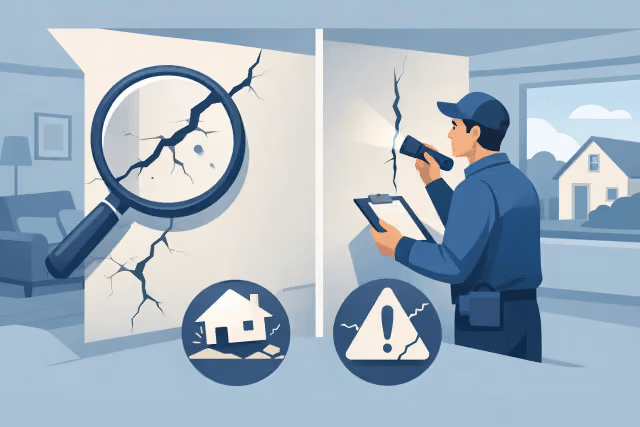
Wall cracks fall into two broad categories: cosmetic cracks and structural cracks. Cosmetic cracks often affect drywall, plaster, or paint and may result from normal seasonal movement, minor settling, or changes in indoor humidity. Structural cracks involve the foundation or indicate that the structure is under stress.
A small hairline crack in drywall that stays the same for years is usually less urgent than a crack in concrete block, poured concrete, or a basement wall. Still, “less urgent” does not mean “ignore it forever.” Photograph the crack, note its approximate width, and watch for change over the next several months.
Foundation-related cracks deserve a closer look because they can allow water into the basement and may indicate pressure against the wall. The earlier a wall movement issue is identified, the more repair options are typically available.
Vertical Cracks
Vertical cracks in poured concrete foundations are common. Some develop as concrete cures and may remain stable for decades. If a vertical crack is narrow, dry, and unchanged, it may only need sealing to prevent future water intrusion.
However, a vertical crack that widens, leaks during heavy rain, extends from floor to ceiling, or has one side pushed inward can signal more than ordinary shrinkage. A professional inspection can determine whether the crack is stable or part of a developing foundation movement problem.
Horizontal Cracks
Horizontal cracks are among the most concerning basement wall warning signs. They often develop when saturated soil expands and presses against the exterior foundation wall. Over time, that lateral pressure can cause a block wall to bow inward or a poured wall to crack and shift.
Do not treat a horizontal basement crack as a paint-and-patch project. Filling the visible gap may improve appearance, but it does not stop the outside force causing the wall to move. The repair must address the wall’s structural capacity, not just cover the symptom.
Diagonal or Stair-Step Cracks
Diagonal cracks in drywall can occur when a house settles unevenly. In block foundation walls, stair-step cracks that follow mortar joints can point to settlement, soil movement, or pressure-related distress.
A single small stair-step crack is not always proof of a major failure. But if the crack is growing, accompanied by sticking doors or sloping floors, or paired with water entry and wall bowing, it should be evaluated promptly. Multiple signs occurring together are more meaningful than any one crack by itself.
Signs a Wall Crack May Be Structural
The most serious wall cracks rarely appear alone. Look beyond the crack itself and consider what else is happening in the basement and throughout the home.
A crack deserves professional attention when you notice visible inward bowing, a wall that feels uneven or bulges at the center, crumbling block or mortar, water entering through the crack, or white mineral deposits left behind by moisture. Doors and windows that suddenly stick, gaps between walls and ceilings, or new cracks in finished areas can also support the case that the home is moving.
Width matters, but it is not the only factor. A narrow horizontal crack in a bowed wall can be more serious than a wider, stable vertical shrinkage crack. Movement matters most. If the crack is getting longer, wider, wetter, or more numerous, act before the next wet season adds more pressure.
Why Basement Wall Cracks Get Worse
Foundation walls spend every day resisting the weight of soil around the home. When that soil becomes saturated, its pressure against basement walls increases. Clay-heavy soils can swell when wet and contract when dry, creating repeated cycles of force.
Poor drainage can make the problem worse. Gutters that overflow near the foundation, short downspouts, negative grading, and clogged exterior drains can keep water where it does the most damage. Correcting drainage is a smart protective step, but drainage improvements alone cannot restore a wall that has already bowed or cracked from structural pressure.
That distinction matters. Water management helps reduce future loading. Structural reinforcement helps keep an existing wall from continuing to move. Many homes need both approaches for lasting protection.
When a Simple Crack Repair Is Enough
Not every crack requires structural reinforcement. A stable, narrow vertical crack in poured concrete may be a good candidate for a professional crack injection or sealant repair, particularly when the goal is stopping water entry.
Cosmetic drywall cracks may only need patching and repainting after you confirm there is no active movement behind them. If the crack returns after repair, becomes wider, or is joined by new symptoms, it is time to stop treating it as cosmetic.
The trade-off is straightforward: a basic patch can be appropriate for a stable surface issue, but it will not solve a foundation wall that is under ongoing pressure. Choosing the right repair starts with an honest assessment of the cause.
When Structural Reinforcement Is the Better Answer
If a basement wall is cracked horizontally, bowing inward, or showing early to moderate movement, structural reinforcement may be the right solution. Carbon fiber wall reinforcement is designed to secure qualifying foundation walls against further inward movement without the disruption often associated with excavation, steel beams, or wall anchors.
Carbon fiber straps are bonded directly to the prepared wall using engineered materials. Once installed, they create a high-strength reinforcement system that is low profile and can often be finished over later. For homeowners who want to preserve usable basement space, that can be a major advantage over interior steel systems.
Carbon fiber is not the answer to every foundation problem. A wall with severe displacement, extensive deterioration, or conditions requiring soil correction may need a different approach. That is why a proper inspection matters. The goal is not to sell the biggest repair. It is to identify the repair that will protect the wall for the long term.
What to Do When You Find a New Wall Crack
First, do not panic and do not immediately cover it with spackle, caulk, or paint. Take clear photographs with a ruler or coin nearby for scale. Note the date, whether the area is damp, and whether the crack changes after heavy rain or seasonal temperature swings.
Next, check the exterior conditions around that section of the home. Make sure gutters are clear, downspouts direct water away from the foundation, and the soil slopes away from the house. These steps may reduce moisture exposure while you determine the condition of the wall.
Then schedule a professional assessment if the crack is horizontal, stair-stepped, leaking, widening, or paired with a bowed wall. A qualified foundation specialist can explain whether the crack needs monitoring, waterproof sealing, or structural reinforcement. Clear answers are far more valuable than guessing based on a photo online.
Protect the Home Before a Small Problem Becomes a Major Repair
Foundation concerns create understandable anxiety because homeowners often imagine torn-up yards, long construction schedules, and unpredictable costs. But early action can give you more choices. Many wall movement problems can be addressed before a wall reaches the point of major failure.
Carbon Fiber Installation LLC helps homeowners evaluate basement wall cracks and early wall movement with repair options designed for strength, minimal disruption, and lasting confidence. For qualifying repairs, a lifetime transferable warranty can also help protect the home’s value when it is time to sell.
A wall crack is not always an emergency, but it is always worth understanding. If the crack is changing, leaking, horizontal, or accompanied by bowing, get it inspected now and make your next decision from a position of clarity, not urgency.
When to Call the Experts at Carbon Fiber Installation, LLC
Don’t wait for problems to worsen. Schedule a free basement wall inspection if you notice:
- New or widening cracks
- Bowing or leaning walls
- Water stains, efflorescence, or musty odors
- Sticking doors/windows or upper-level cracks
We serve the greater Columbus, Ohio area with 24/7 emergency service and a 100% satisfaction guarantee.
Protect Your Home Today
Your foundation supports everything you’ve built. Investing in professional carbon fiber reinforcement from Carbon Fiber Install, LLC is one of the smartest decisions you can make for long-term structural integrity, safety, and peace of mind. It’s a modern, proven solution that stops damage in its tracks while preserving your home’s usability and resale value.
Ready to take action? Contact us today for a free quote or inspection.
- Phone: (740) 436-9316
- Email: info@carbonfiberinstall.com
- Mailing Address: 322 W. 5th Street PMB 110, Marysville, Ohio 43040
Visit www.carbonfiberinstall.com to learn more about our services, view project inspiration, or request service. Don’t let small cracks become big headaches—secure your home’s future with Carbon Fiber Installation, LLC.