

Why Using a Crack Monitor Is So Important When Checking Foundation Cracks
Why Using a Crack Monitor Is So Important When Checking Foundation Cracks
Foundation cracks can be alarming. One day you spot a thin line in your basement wall and suddenly questions flood your mind: Is this serious? Will it get worse? Does my house have a structural problem? While visual inspection is a good start, the naked eye alone can’t tell you the full story. That’s where a crack monitor becomes an essential, low-cost diagnostic tool for any homeowner concerned about their foundation’s health.
In this comprehensive guide, we’ll explain what crack monitors are, how they work, why they’re critical for accurate assessment, and how they can save you from unnecessary worry or unnecessary expensive repairs.
What Is a Crack Monitor?
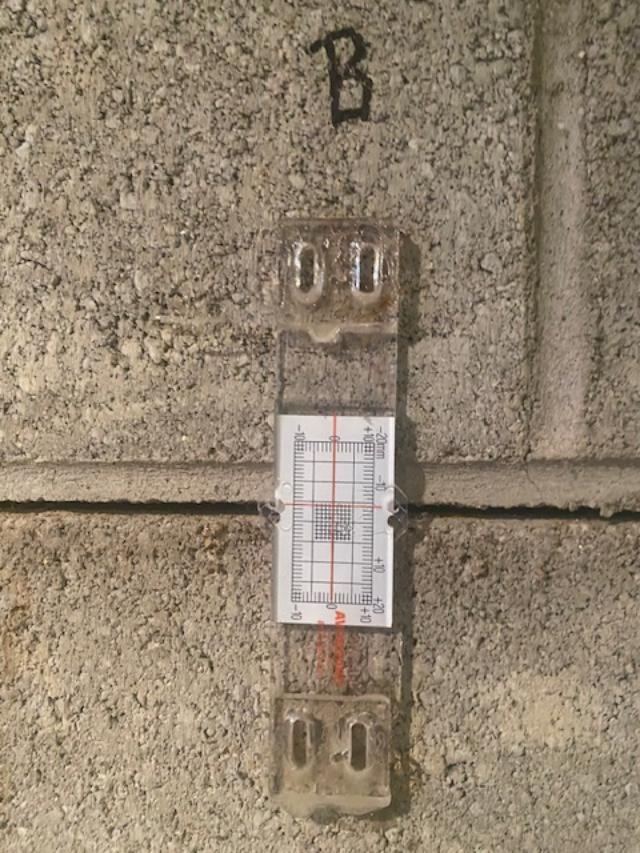
A crack monitor (also called a crack gauge or tell-tale monitor) is a simple, precise device designed to measure movement in cracks over time. Most consist of two overlapping plates:
- One plate is usually white with a printed grid (in millimeters).
- The other is transparent with a red crosshair or reference mark.
You attach the monitor across the crack (with adhesive or screws). As the crack moves—widens, narrows, or shifts vertically/horizontally—the crosshair moves across the grid, giving you an exact measurement of change.
Basic models track movement in two dimensions (horizontal and vertical), while advanced versions can monitor three-dimensional shifts. They’re inexpensive, easy to install, and provide objective data that no smartphone photo or occasional eyeballing can match.
Why Guessing Isn’t Good Enough: The Risks of Inactive vs. Active Cracks
Not all foundation cracks are equal. Some are dormant (old shrinkage or settlement cracks that stabilized years ago). Others are active, indicating ongoing movement due to soil pressure, water issues, poor drainage, or structural stress.
Without monitoring:
- You might overreact to a stable hairline crack and spend thousands on unnecessary repairs.
- Worse, you might ignore an active crack that’s slowly worsening, leading to bowing walls, water intrusion, mold, or major structural failure.
A crack monitor removes the guesswork. It establishes a baseline and tracks changes over weeks or months. This data-driven approach is exactly what foundation professionals and engineers rely on.
Key Reasons Crack Monitors Are So Important
- Detects Active Movement Early A monitor reveals whether a crack is still moving and at what rate. Rapid widening (e.g., several millimeters in a short period) signals urgency, while no movement suggests stability.
- Informs Smart Repair Decisions If the crack isn’t moving, simple sealing (epoxy or polyurethane injection) for waterproofing may be enough. If it is moving, you’ll need stabilization like carbon fiber straps, wall anchors, or other structural solutions. Monitoring helps prioritize and choose the right fix.
- Provides Evidence for Professionals When you call a foundation repair expert or structural engineer, having months of monitor readings gives them concrete data. This leads to more accurate diagnoses and can strengthen insurance or warranty claims.
- Tracks Seasonal or Environmental Changes Many cracks fluctuate with moisture, freeze-thaw cycles, or soil expansion/contraction. A monitor shows these patterns, helping you address root causes like grading, gutters, or drainage.
- Peace of Mind and Cost Savings Knowing a crack is stable can relieve anxiety. Catching active movement early prevents small problems from becoming disasters that cost tens of thousands in foundation reconstruction.
- Long-Term Home Maintenance Foundations are hidden until problems appear. Regular monitoring (especially after heavy rains, droughts, or earthquakes) is proactive homeownership that protects your biggest investment.
How to Use a Crack Monitor: Step-by-Step
- Clean the area around the crack.
- Position the monitor so the crack line runs under the zero/reference point.
- Secure it firmly (adhesive for indoor use, screws for added stability).
- Record the initial reading and date.
- Check periodically—every few weeks initially, then monthly or quarterly.
- Note any changes alongside weather or seasonal events.
Real-World Scenarios Where Monitors Make a Difference
- New Homeowner: You discover cracks in a 10-year-old house. Monitors show no movement after six months—great news; just seal for moisture.
- Visible Bowing: Horizontal cracks with monitors showing steady widening confirm lateral pressure—time for carbon fiber or anchors.
- Post-Repair Verification: After installing repairs, monitors confirm everything has stabilized.
Limitations and Best Practices
Crack monitors excel at tracking movement but don’t fix the problem or address water intrusion on their own. Always combine monitoring with:
- Proper drainage and grading.
- Regular visual inspections.
- Professional evaluation for wider cracks (>1/4 inch), horizontal/stair-step patterns, or accompanying symptoms like sticking doors or musty odors.
For complex cases, engineers may use digital or wireless logging systems for continuous data.
Conclusion: Don’t Guess Monitor
Foundation cracks deserve attention, but panic or denial helps no one. A simple crack monitor delivers clarity, confidence, and critical time to act. It’s one of the smartest, most affordable tools in your home maintenance arsenal.
Call Carbon Fiber Installation LLC let our engineers help you out.
When to Call the Experts at Carbon Fiber Installation, LLC
Don’t wait for problems to worsen. Schedule a free basement wall inspection if you notice:
- New or widening cracks
- Bowing or leaning walls
- Water stains, efflorescence, or musty odors
- Sticking doors/windows or upper-level cracks
We serve the greater Columbus, Ohio area with 24/7 emergency service and a 100% satisfaction guarantee.
Protect Your Home Today
Your foundation supports everything you’ve built. Investing in professional carbon fiber reinforcement from Carbon Fiber Install, LLC is one of the smartest decisions you can make for long-term structural integrity, safety, and peace of mind. It’s a modern, proven solution that stops damage in its tracks while preserving your home’s usability and resale value.
Ready to take action? Contact us today for a free quote or inspection.
- Phone: (740) 436-9316
- Email: info@carbonfiberinstall.com
- Mailing Address: 322 W. 5th Street PMB 110, Marysville, Ohio 43040
Visit www.carbonfiberinstall.com to learn more about our services, view project inspiration, or request service. Don’t let small cracks become big headaches—secure your home’s future with Carbon Fiber Installation, LLC.