

Understanding Basement Cracks: Not All Are Created Equal
Basement foundation cracks can stem from several common causes:
- Soil settlement and shifting: As the ground beneath and around your home settles or
erodes, it creates uneven pressure on the foundation. - Hydrostatic pressure: Water-saturated soil exerts tremendous lateral force against
basement walls, especially in areas with poor drainage or heavy rainfall. - Freeze-thaw cycles: In colder climates, water in the soil freezes, expands, and pushes
against walls, then thaws and leaves gaps—repeating the cycle seasonally. - Concrete shrinkage: Normal during curing, but excessive or combined with other
stresses can worsen issues. - Construction factors: Poor backfill, inadequate reinforcement in original build, or
expansive clay soils.
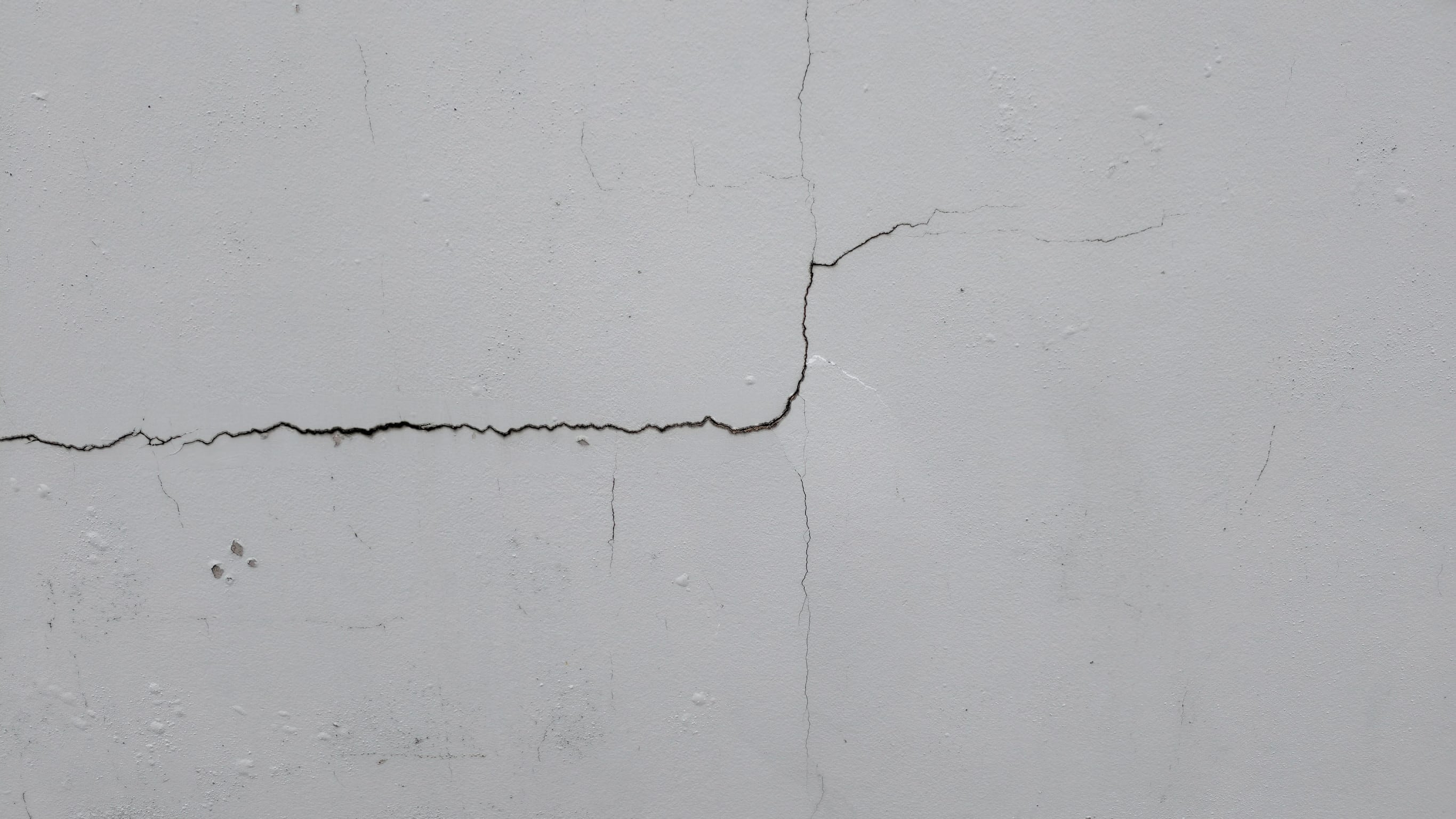
Vertical cracks are often due to settlement or shrinkage and may start as minor. Horizontal or stair-step cracks, however, frequently indicate lateral pressure and bowing walls—a red flag for structural movement. Hairline cracks might seem harmless, but wider ones (over 1/4 inch) or those accompanied by bowing (inward movement) demand immediate attention.
The Hidden Dangers of Ignoring Basement Cracks
Many homeowners dismiss small cracks, thinking “it’s just settling.” But the risks compound
quickly:
1. Water Intrusion and Moisture Problems: Cracks become pathways for water, leading
to basement flooding, dampness, mold growth, and mildew. This damages belongings,
ruins finished spaces, and creates health hazards.
2. Structural Compromise: Unrepaired cracks allow walls to bow, lean, or shift further.
Over time, this can affect the entire house—causing sticking doors/windows, uneven
floors, drywall cracks upstairs, and even roof issues.
3. Escalating Repair Costs: A small crack today might require thousands in foundation
work later, plus water damage remediation. Severe cases can threaten the home’s
habitability and resale value.
4. Safety Concerns: In extreme scenarios, significant wall failure poses risks to the
building’s integrity, especially during storms or seismic activity.
Early intervention isn’t just smart—it’s essential for preserving your largest investment.
Enter Carbon Fiber: A Modern Marvel for Foundation Repair
Carbon fiber reinforcement involves applying high-tensile-strength carbon fiber straps, strips, or
fabric (often epoxied directly to the wall) across cracks or bowing areas. These materials, similar
to those used in aerospace and high-performance automotive applications, are incredibly strong
yet lightweight and thin.
How it works:
- The surface is prepared and epoxy is applied.
- Carbon fiber straps are placed strategically (often vertically or horizontally across
problem areas) and bonded permanently. - The epoxy cures, creating a composite that distributes stress, holds the wall in place, and
prevents further movement.
This method “stitches” the crack like a strong bandage while adding tensile strength where
concrete is weak.
Why Carbon Fiber Is Often Superior to Traditional Methods
Traditional repairs like steel I-beams, wall anchors/tiebacks, or full excavation have their place,
but carbon fiber frequently wins for many scenarios:
- Exceptional Strength: Carbon fiber boasts tensile strength far exceeding steel (often
cited as 5–10 times stronger in relevant applications) without stretching or breaking. It
effectively halts progression of cracks and bowing (typically ideal for movement under 2
inches). - Non-Invasive and Quick Installation: No heavy excavation, yard disruption, or major
demolition. Repairs can often be completed in a day or two from inside the
basement—minimal mess and downtime. - Low Profile and Aesthetic: Thin straps can be painted over or hidden behind drywall.
Unlike bulky steel beams that eat up space and look industrial, carbon fiber blends
seamlessly. - Corrosion and Maintenance-Free: Unlike steel, carbon fiber won’t rust in damp
basements. It requires no ongoing maintenance and resists temperature fluctuations. - Cost-Effective Long-Term: Often half the cost of steel beams, with faster installation
and no hidden future expenses. It prevents further damage, protecting your home’s value. - Versatility: Works on poured concrete or block walls for horizontal cracks, stair-step
patterns, and early bowing. It can be combined with other systems when needed.
Comparison Snapshot:
- Steel Beams: Strong for severe cases but obtrusive, space-consuming, and more
expensive/labor-intensive. - Epoxy Injection: Good for sealing non-structural cracks but less ideal alone for ongoing
pressure/movement. - Wall Anchors: Effective for pulling walls back but require exterior work and can be
more disruptive.
Carbon fiber shines for stabilization without the drawbacks of older methods.
Real-World Benefits and Peace of Mind
Homeowners who choose carbon fiber often report:
Stabilized walls with no further movement.
Dry, usable basements.
Increased home value and easier resale (buyers prefer modern, documented repairs).
Avoidance of larger structural failures.
It’s not a gimmick—engineers and foundation experts increasingly view it as the new standard due to proven performance, material advancements, and successful long-term outcomes.
Important Note: Carbon fiber is excellent for reinforcement but should be installed by qualified professionals after a thorough inspection. Severe cases (extreme bowing >2 inches, active water issues, or complex soil problems) may need complementary solutions like improved drainage,
waterproofing, or other structural supports. Always address root causes like grading and gutters alongside the repair.
When to Act: Don’t Wait for the Warning Signs to Worsen
Monitor your basement regularly. Look for:
New or widening cracks.
Bowing or leaning walls.
Musty odors, efflorescence (white powdery residue), or water stains.
Cracks in upper floors or doors that stick.
If you spot issues, consult a reputable foundation repair specialist for an assessment. Early carbon fiber repair can save you tens of thousands compared to delayed action.
Conclusion: Invest in Strength and Stability
Your home’s foundation is literally the base everything else rests upon. Repairing basement cracks with carbon fiber isn’t just a fix—it’s a proactive investment in structural integrity, safety, comfort, and long-term value. Its unmatched strength, ease of installation, durability, and discreet
appearance make it one of the smartest choices available today for homeowners facing foundation challenges.
Don’t let small cracks become big problems. By addressing them promptly with advanced
materials like carbon fiber, you protect your family, your finances, and the home you love.
Contact Carbon Fiber Installation LLC for an evaluation—your future self (and your basement) will thank you.
When to Call the Experts at Carbon Fiber Installation, LLC
Don’t wait for problems to worsen. Schedule a free basement wall inspection if you notice:
- New or widening cracks
- Bowing or leaning walls
- Water stains, efflorescence, or musty odors
- Sticking doors/windows or upper-level cracks
We serve the greater Columbus, Ohio area with 24/7 emergency service and a 100% satisfaction guarantee.
Protect Your Home Today
Your foundation supports everything you’ve built. Investing in professional carbon fiber reinforcement from Carbon Fiber Install, LLC is one of the smartest decisions you can make for long-term structural integrity, safety, and peace of mind. It’s a modern, proven solution that stops damage in its tracks while preserving your home’s usability and resale value.
Ready to take action? Contact us today for a free quote or inspection.
- Phone: (740) 436-9316
- Email: info@carbonfiberinstall.com
- Mailing Address: 322 W. 5th Street PMB 110, Marysville, Ohio 43040
Visit www.carbonfiberinstall.com to learn more about our services, view project inspiration, or request service. Don’t let small cracks become big headaches—secure your home’s future with Carbon Fiber Installation, LLC.